What Are Self-Tapping Screws? Types, Benefits and How to Choose
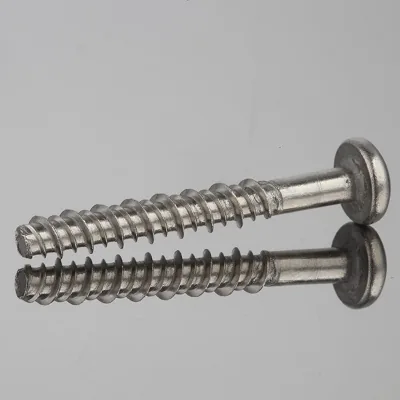
A self-tapping screw cuts or forms its own mating thread as it is driven, eliminating the need for pre-tapping. For manufacturers, that means faster assembly, fewer operations and lower cost per joint.
Thread-forming vs thread-cutting
- Thread-forming screws displace material to create a thread - ideal for plastics and softer metals, offering strong pull-out resistance
- Thread-cutting screws remove material with cutting edges - better for harder materials and thicker sections
Benefits that matter on the line
- No pre-tapping - save an entire process step
- Easy assembly - faster driving speeds with consistent torque
- Strong joints - good pull-out and stripping resistance
- Customization - head styles, thread forms and coatings tuned to your material
How to choose the right self-tapping screw
Consider these factors:
- Material to be fastened - plastic, sheet metal or wood each needs a different thread geometry
- Point type - sharp points for metal, drill points for thick sections, blunt points for plastics
- Head style - pan, flat, hex or wafer heads depending on tooling and appearance
- Corrosion environment - zinc plating indoors, stainless steel or Dacromet outdoors
Taiming manufactures self-tapping screws with custom geometries for every material type, backed by factory-direct pricing and full quality inspection.
Browse self-tapping screws or send us your application for a recommendation.
Looking for a Reliable Fastener Supplier?
Get a free consultation from our engineers - samples available within days.
Contact Us