
Q1: What are the common applications of fender screws?
Fender screws are primarily used in the automotive industry for fastening fenders, bumpers, and trim panels. Their wide head distributes load evenly, preventing panel damage and ensuring a secure fit. Beyond cars, they are also applied in machinery covers, sheet metal panels, and certain electronic enclosures.
Q2: What sizes and specifications are available?
Standard fender screws are manufactured according to DIN and ISO specifications. Typical diameters range from M4 to M8, with lengths from 10 mm up to 40 mm. TAIMING recommends selecting the size based on panel thickness and torque requirements, ensuring the right balance between holding power and assembly efficiency.
Q3: What structural advantages do fender screws offer?
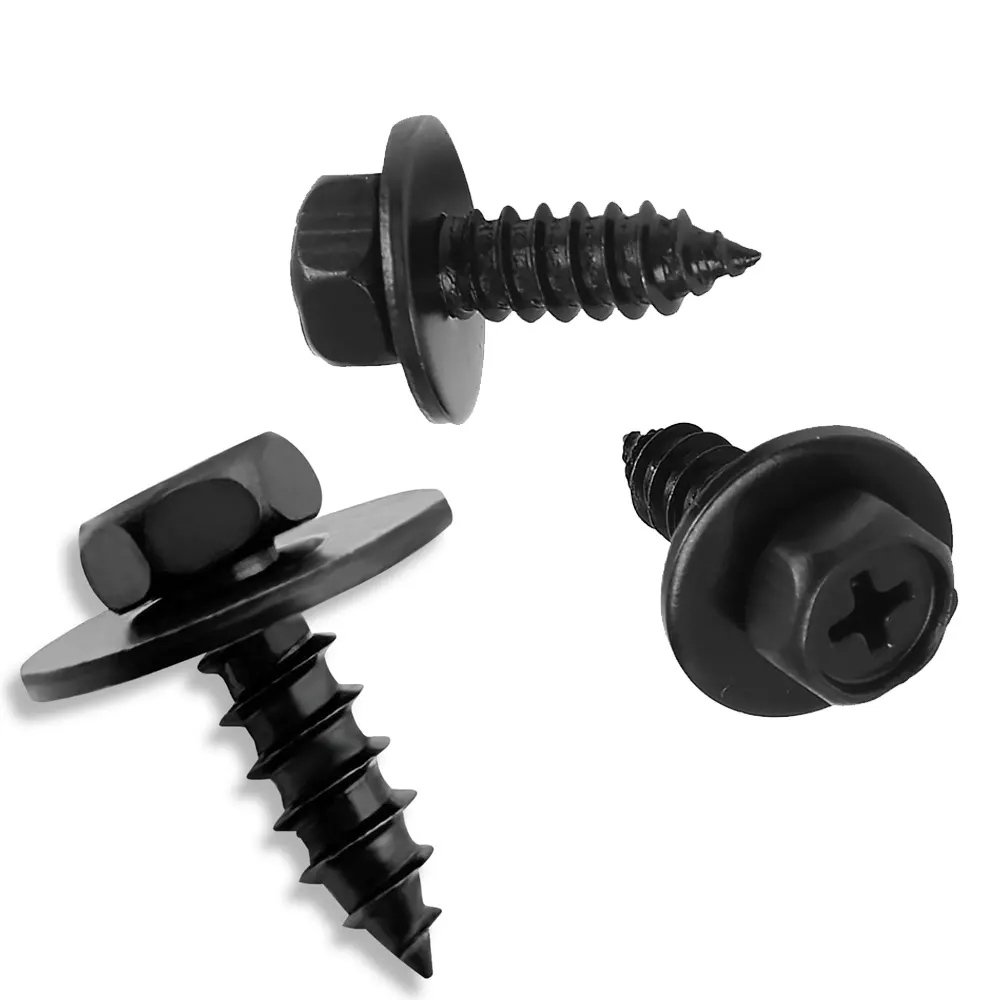
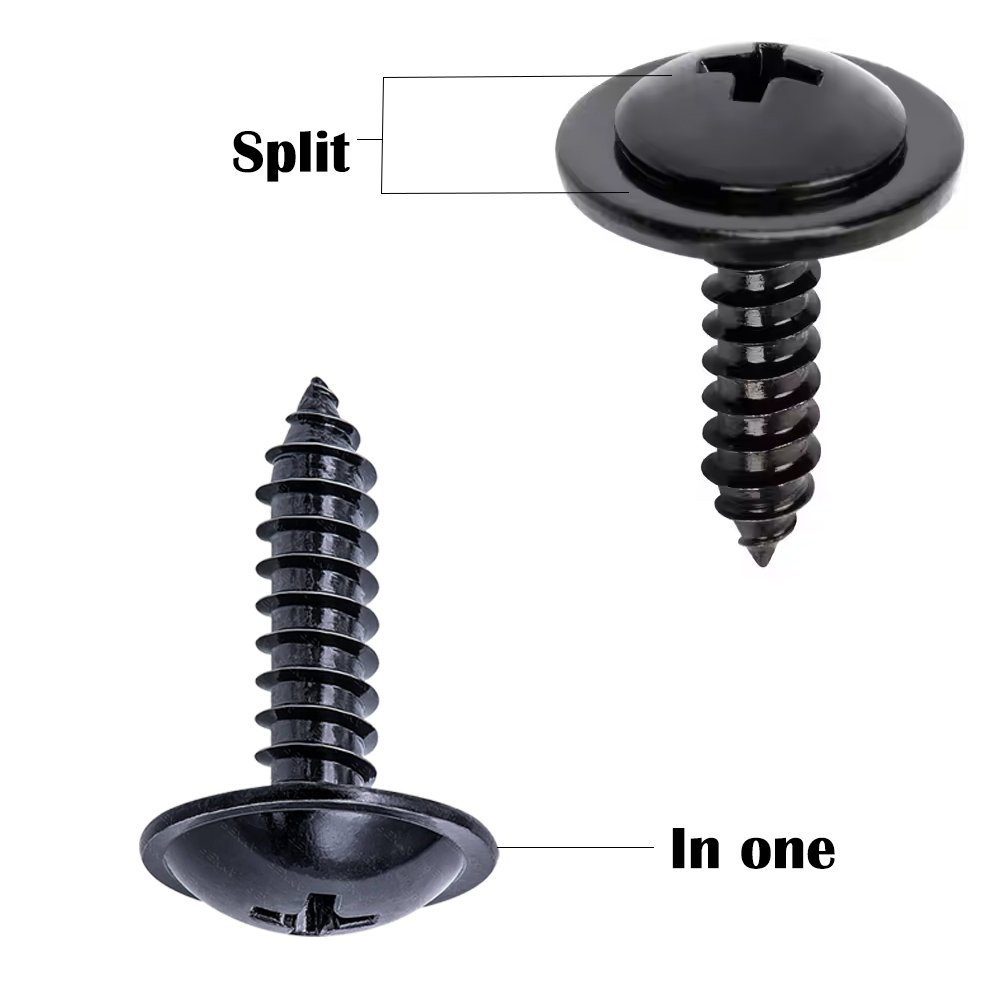
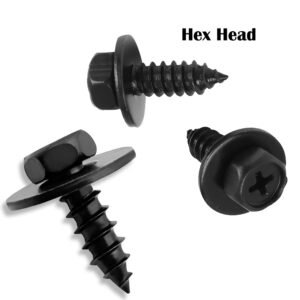
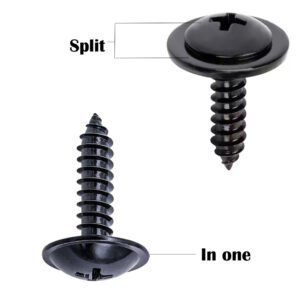
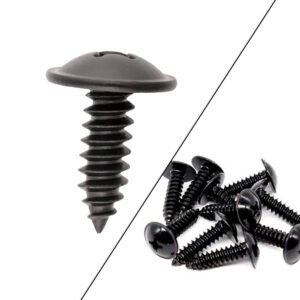
The wide, flat head design provides excellent load distribution, reducing the risk of surface damage. Combined with a threaded shank optimized for sheet metal or plastic panels, fender screws deliver both strength and ease of installation. TAIMING highlights that this structure allows faster assembly and greater durability, especially under vibration or impact.
Q4: What materials and surface finishes are available?
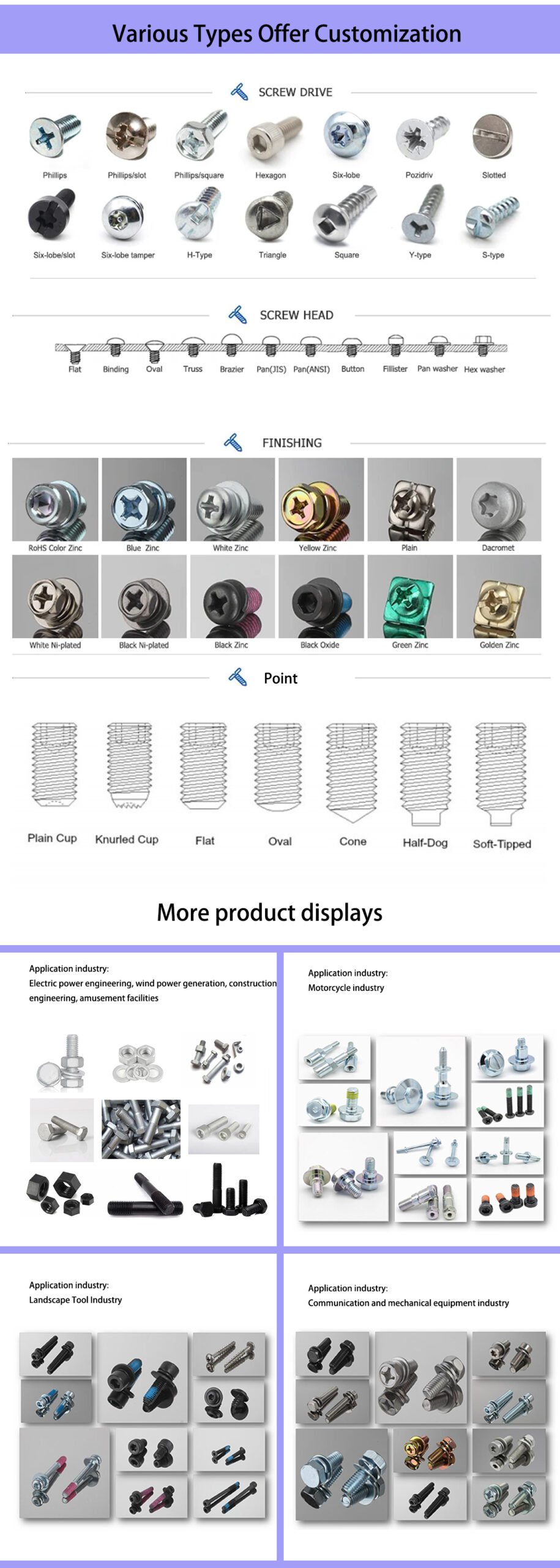
Most fender screws are produced in carbon steel or stainless steel. Common surface treatments include zinc plating, black oxide, and nickel coating. These finishes enhance corrosion resistance and extend service life, making the screws suitable for both indoor assembly and outdoor automotive use.
Q5: Can fender screws be customized for specific requirements?
Yes. TAIMING offers custom production to meet unique requirements, including special diameters, non-standard lengths, and surface treatments tailored to different environments. For buyers, customization ensures that fastening solutions align with specific design and performance needs.
Q6: Do TAIMING fender screws comply with international standards?
All TAIMING fender screws are produced in compliance with DIN and ISO standards. This guarantees consistent quality and compatibility across different applications, a critical factor for global OEMs and suppliers.
Q7: What is the MOQ and delivery time for bulk orders?
For standard fender screws, TAIMING typically maintains a competitive MOQ suitable for distributors and OEM buyers. Lead times vary depending on order volume and customization level but are optimized through efficient production scheduling. According to TAIMING’s analysis, maintaining proper forecasting and early planning helps buyers secure stable supply and reduce cost fluctuations.