
Hex Flange Tapping Screws Grade 8.8 DIN7504 – How to Choose the Right Standard for Durable Fastening?
Hex Flange Tapping Screws Grade 8.8 DIN7504 — Practical Selection & Installation Guide
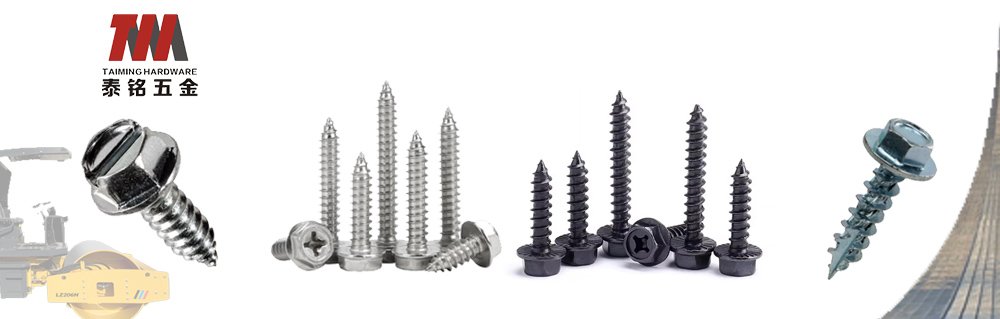
Hex flange tapping screws are a practical choice when you need a secure fastener that removes the need for a separate washer. This short guide explains how to choose the right grade and standard, correct installation steps and simple inspection checks — written for engineers, buyers and shop technicians.
What is a hex flange tapping screw and where is it used?
A hex flange tapping screw combines a hex head with a built-in flange that spreads load across a larger surface area. Unlike plain tapping screws, the flange reduces the risk of pull-through on thin materials and speeds up assembly by removing the washer. Common applications include fastening sheet metal to frames, mounting electrical enclosures and securing components in light machinery.
How to choose the right grade and standard?
The most important selection factors are mechanical strength, corrosion resistance and the thread form that suits your base material. For structural or load-bearing uses, Grade 8.8 offers higher tensile strength compared with lower grades. Choosing components produced to DIN7504 ensures predictable head/shaft dimensions and thread quality.
- Typical spec (example)
- Material: Carbon steel, grade 8.8
- Standard: DIN 7504
- Type: Hex head with flange, tapping thread
- Finish: Zinc plated or passivated for mild corrosion resistance
- Applications: Sheet metal, machinery paneling, HVAC
Installation best practices (quick checklist)
- Use the correct pilot hole size when required — follow supplier recommendations for sheet thickness.
- Apply the correct torque; over-tightening can strip the thread or deform the flange.
- Ensure the flange seats flat against the surface to distribute load evenly.
- For outdoor or corrosive environments, choose appropriate coatings or stainless alternatives.
Inspection and quality checkpoints
After installation, inspect for: correct torque, flat flange seating, absence of cross-threading and intact corrosion protection. For assemblies subject to vibration, re-check torque after initial run-in or use locking features where needed.
Note: If you specify Grade 8.8 and DIN7504, ask your supplier for material certificates (e.g., SGS) and batch traceability to support procurement and warranty records.
Short FAQ — quick answers
Q: Can I use these screws without a pilot hole?
A: Some tapping screws are self-drilling or thread-forming; check the product type and base material thickness before omitting pilot holes.
Q: What finish should I choose for outdoor use?
A: Use corrosion-resistant finishes (hot-dip galvanizing or stainless steel options) for outdoor or coastal environments.
Further reading & related product
For product details, dimensions and ordering options, see our product page: Hex Flange Tapping Screws — product page. That page includes technical drawings and finish options which are useful when specifying parts for production.