
Hex Flange Nuts DIN 6923 Grade 8 Zinc Plated – What Makes These Locking Nuts Reliable for Heavy Duty Fastening?
Hex Flange Nut: A Practical Guide to DIN 6923, Use Cases & Buying Tips
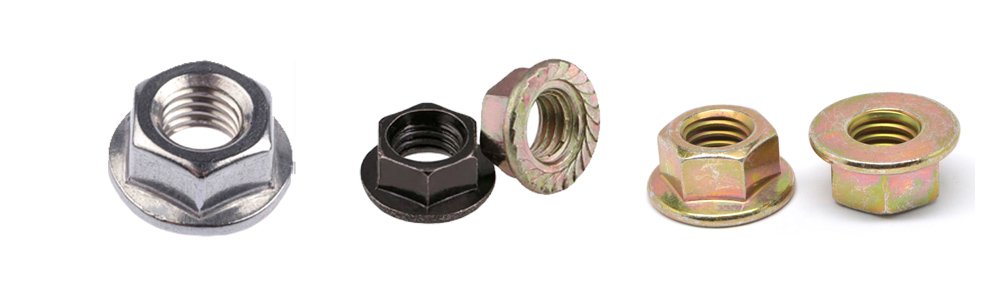
What is a hex flange nut?
A hex flange nut is a standard hex nut with a wide, washer-like base. The flange distributes clamping force over a larger area, which protects the work surface and helps the joint stay tight. Some versions include serrations on the flange for extra resistance to loosening—useful around vibration.
If you need a ready-to-use, heavy-duty option, browse our in-stock Hex Flange Nuts Grade 8, Zinc Plated (DIN 6923).
Key benefits & when to use
- Fewer loose parts: the built-in flange often replaces a separate washer.
- Better load spread: reduces surface damage and pull-through on softer materials.
- Vibration resistance: serrated types “bite” into the surface to help prevent back-off.
- Faster assembly: fewer components and easier alignment on oversized holes.
- Common in: automotive, construction hardware, machinery housings, equipment frames.
Typical applications
Use flange nuts anywhere you want speed and stability without adding a separate washer:
- Suspension and chassis brackets
- Motor mounts and pump skids
- Guard rails, conveyor frames, racking
- Sheet-metal assemblies with slotted holes
Standards, grades & finishes
The most referenced spec for these parts is DIN 6923, which defines dimensions and tolerances for hex flange nuts. For strength, many buyers choose Grade 8 (high tensile). For surface protection and a clean appearance, zinc plating is a practical, cost-effective finish. Stainless steel variants are preferred in corrosive or outdoor environments.
How to choose the right hex flange nut
- Match the bolt: same diameter & thread pitch (e.g., M8 × 1.25).
- Check strength class: choose Grade 8 for heavy-duty clamping; stainless for corrosion-resistant builds.
- Decide on serrations: select serrated for vibration; non-serrated for painted/finished surfaces you don’t want marked.
- Consider environment: zinc plated for general indoor/vehicular use; stainless or special coatings for harsh exposure.
- Verify flange OD & bearing area: make sure the flange fully covers slots or oversized holes.
Ready to source? See our in-stock DIN 6923 Grade 8 Zinc-Plated Hex Flange Nuts
Fast lead times · Consistent qualityInstallation tips (field-tested)
- Seat the flange flat to the surface; avoid burrs or scale that can reduce contact area.
- On coated or painted parts, use non-serrated versions to prevent surface damage.
- Follow the bolt manufacturer’s torque chart; consider lubrication when applicable.
- For high vibration, combine with proper bolt preload and, if needed, thread-locking methods.
Quick FAQs
Do I still need a washer? Often no—the flange covers that job. In thin or soft materials, a separate washer may still help distribute load further.
Will serrations damage the surface? They can leave marks by design. For visible or coated surfaces, choose a smooth (non-serrated) flange nut.
Are DIN 6923 nuts available in stainless? Yes. If you need outdoor or chemical resistance, ask for stainless grades.
Explore specifications, size options, and pricing on our product page: Hex Flange Nuts – Grade 8, Zinc Plated, DIN 6923.